



Brake Repair in Weyburn, SK
Your vehicle's braking system is its single most important safety feature. It provides the essential stopping power you need for traffic and hazards. At Barber Motors, we understand modern braking systems demand an advanced approach to maintenance. Our Certified Service technicians know today's complex systems, from hydraulics to electronic driver aids. Ensuring optimal brake condition is about maintaining an integrated safety system's integrity. Trusting our Weyburn specialists means investing in confidence for every journey. You will know your vehicle will respond exactly when you need it to most. We uphold the highest service standards for this critical system.
Understanding Your Vehicle's Braking System
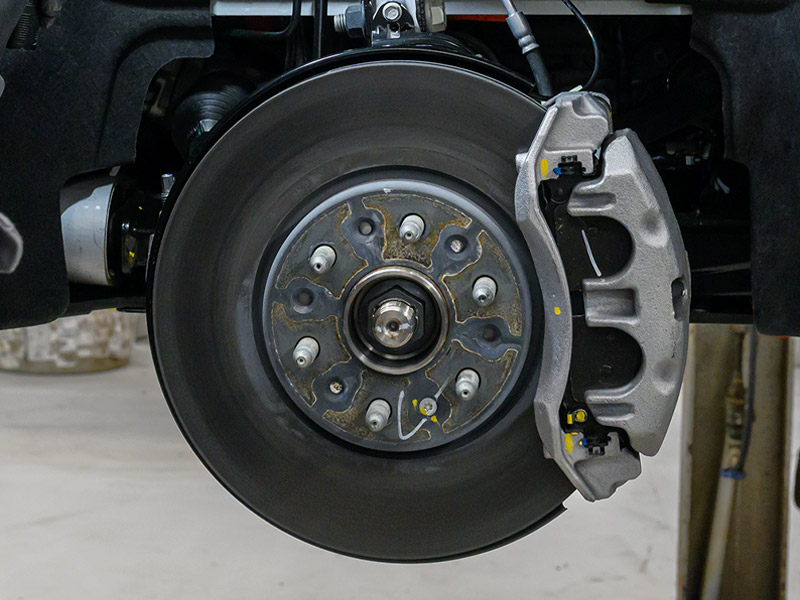
Your vehicle's ability to stop relies on a coordinated system of powerful components. When you press the brake pedal, you activate a master cylinder forcing fluid through lines. This hydraulic fluid goes to the calipers located at each of your vehicle's four wheels. The calipers then clamp down, pressing high-friction brake pads against large metal rotors. This action creates immense friction, converting kinetic energy into heat to slow the vehicle. Modern vehicles enhance this process with anti-lock brakes and electronic stability control. These systems modulate braking pressure to prevent wheel lock-up during emergencies. The integrity of each component is essential for your safety.
Recognizing the Signs of Brake Wear
Proactive maintenance is key to keeping your braking system reliable. Your vehicle provides clear signals when it requires your immediate attention. The most common indicator is an audible high-pitched squealing noise when braking. This sound often means the brake pads are nearing the end of their service life. If ignored, this may become a harsh grinding sound indicating metal-on-metal contact. You might also notice a change in your brake pedal feel. A soft or spongy sensation could point to air in the hydraulic lines. Other signs include vehicle pulling, vibrations, or a dashboard warning light. Address these symptoms promptly with a professional inspection.
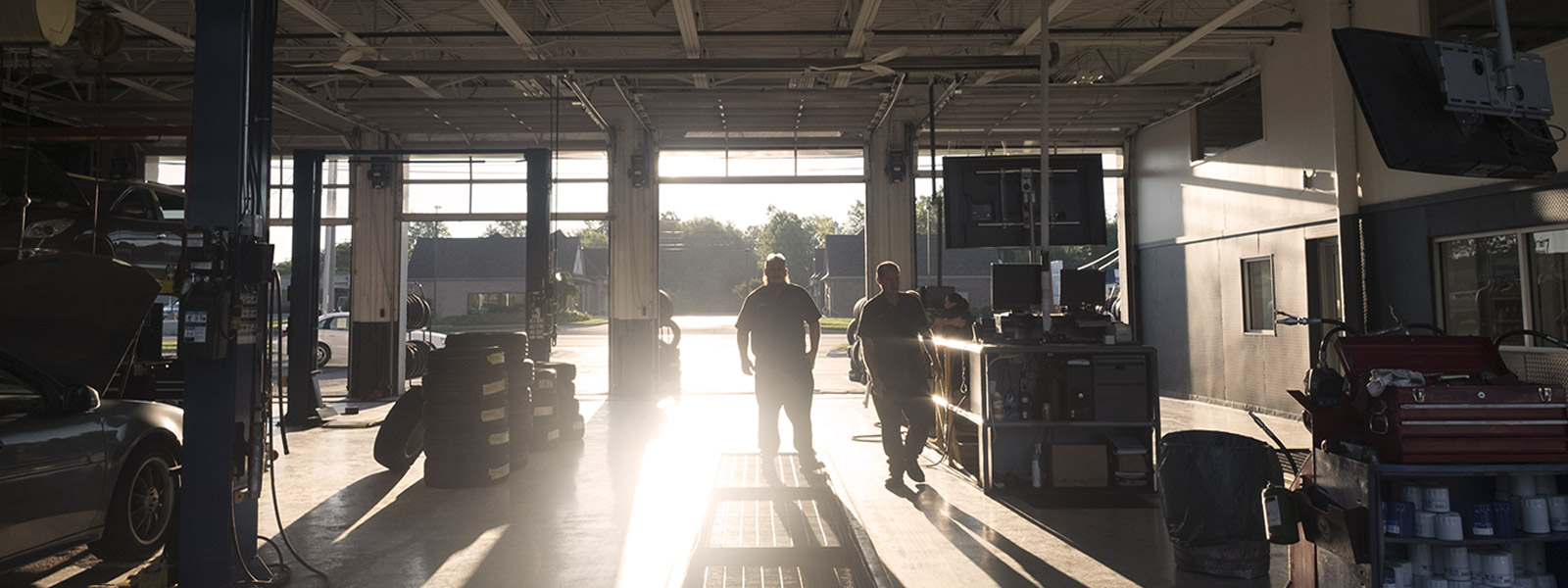
GM Certified Service in Weyburn, SK
That grinding noise when you stop isn't normal, and neither is a brake pedal that feels spongy under your foot. Barber Motors Chevrolet Buick GMC Certified Service technicians know brakes inside and out. We catch brake problems before they become dangerous situations. Fresh brake pads and rotors keep you and your family safe, but worn brakes can turn a routine stop into a scary moment, or worse. Schedule a brake service today Barber Motors Chevrolet Buick GMC, 1 Government Rd, Weyburn, SK, or call (306)-848-3611, or schedule an appointment online.
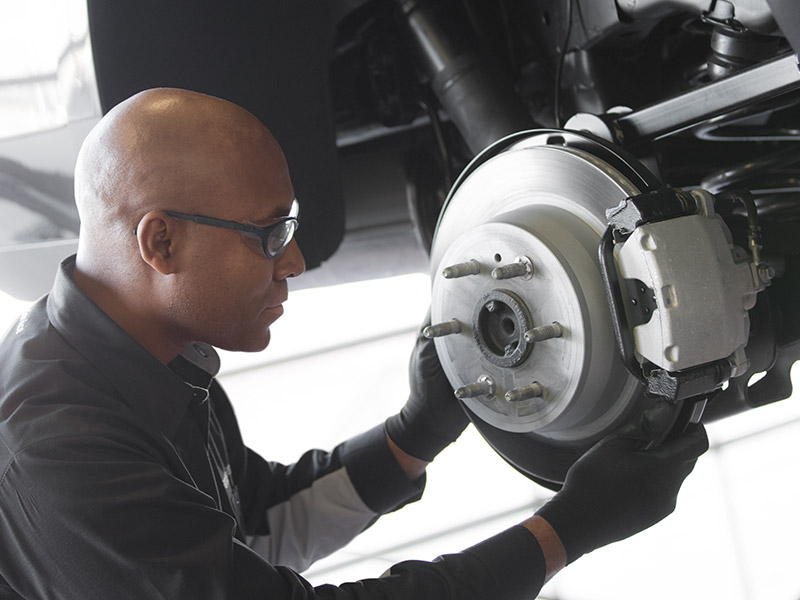
Brake Repair Frequently Asked Questions
How do I know if my brakes need repair?
Pay attention to new sounds, such as grinding or squealing, as these often indicate worn components that require inspection. A change in the brake pedal's responsiveness, like feeling soft or spongy, is another critical sign that service is needed. If you feel vibrations or the vehicle pulls to one side when you brake, it is time to have the system professionally evaluated.
How often should I have my brakes checked?
A yearly brake inspection or an evaluation every 12,000 kilometres is a widely accepted guideline for preventative maintenance. However, it is always best to consult your vehicle's specific maintenance schedule for the most accurate service intervals. Driving habits and conditions, such as frequent city driving or towing, may require more frequent checks.
Why are my brakes making a squealing noise?
A high-pitched squeal is typically caused by built-in wear indicators on the brake pads making contact with the rotors. This sound serves as an alert that the friction material is getting low and needs to be replaced soon. The noise can also be the result of moisture or debris accumulating on the brake components, which often disappears after a few stops.
What's the difference between brake pads and rotors?
Brake pads are the components with a high-friction surface that directly apply pressure to stop the wheels from turning. The rotors are the large metal discs that the pads clamp onto during the braking process. Together, their interaction converts motion into heat, effectively slowing and stopping your vehicle.
How long do brake pads and rotors last?
The lifespan of brake pads generally falls between 25,000 and 65,000 kilometres, depending heavily on use. Rotors typically endure longer, often lasting from 50,000 to 70,000 kilometres before needing replacement. Your personal driving style and the environments you drive in are the most significant factors affecting the longevity of these parts.
Why does my car pull to one side when braking?
A vehicle pulling to the left or right during braking often points to an issue within the brake system, such as a stuck caliper or unevenly worn pads. This symptom could also be related to a problem with the brake's hydraulic lines or fluid. A thorough diagnostic inspection is necessary to pinpoint and correct the underlying cause.
Can I replace just the brake pads without replacing the rotors?
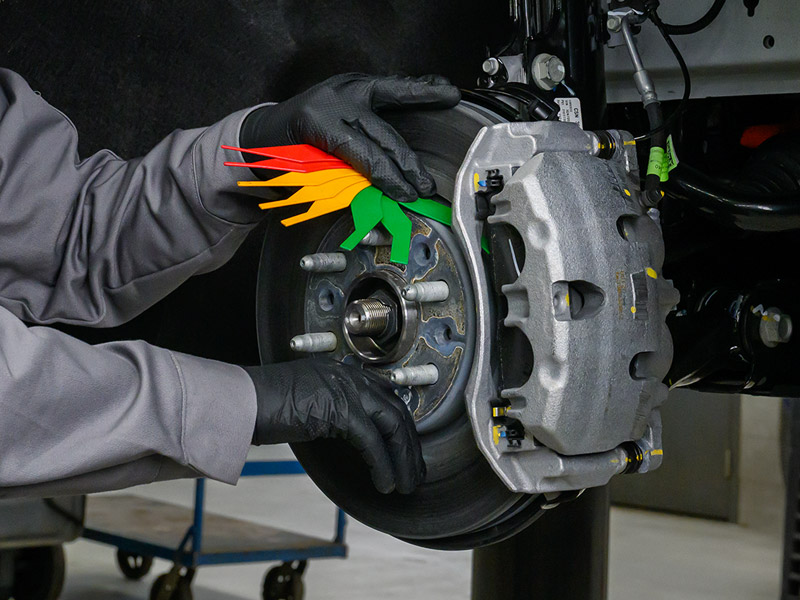
It is possible to install new brake pads without changing the rotors, provided the rotors are still thick enough and have a smooth, undamaged surface. A technician will measure the rotors to ensure they meet minimum thickness specifications for safety. If the rotors are warped, grooved, or excessively worn, they must be replaced at the same time as the pads.
Can I drive with a brake warning light on?
A brake warning light on your dashboard signals a potentially serious fault in the braking system that demands immediate attention. Continuing to drive could be unsafe, as the light may indicate low brake fluid or a failure in the system's hydraulics. You should stop the vehicle as soon as it is safe to do so and arrange for an inspection.
How long does a brake repair usually take?
The time required for a standard brake service is typically between one and three hours. A straightforward brake pad replacement can be completed relatively quickly, often in about an hour. More complex jobs that involve replacing rotors, calipers, or other system components will naturally take longer to finish correctly.